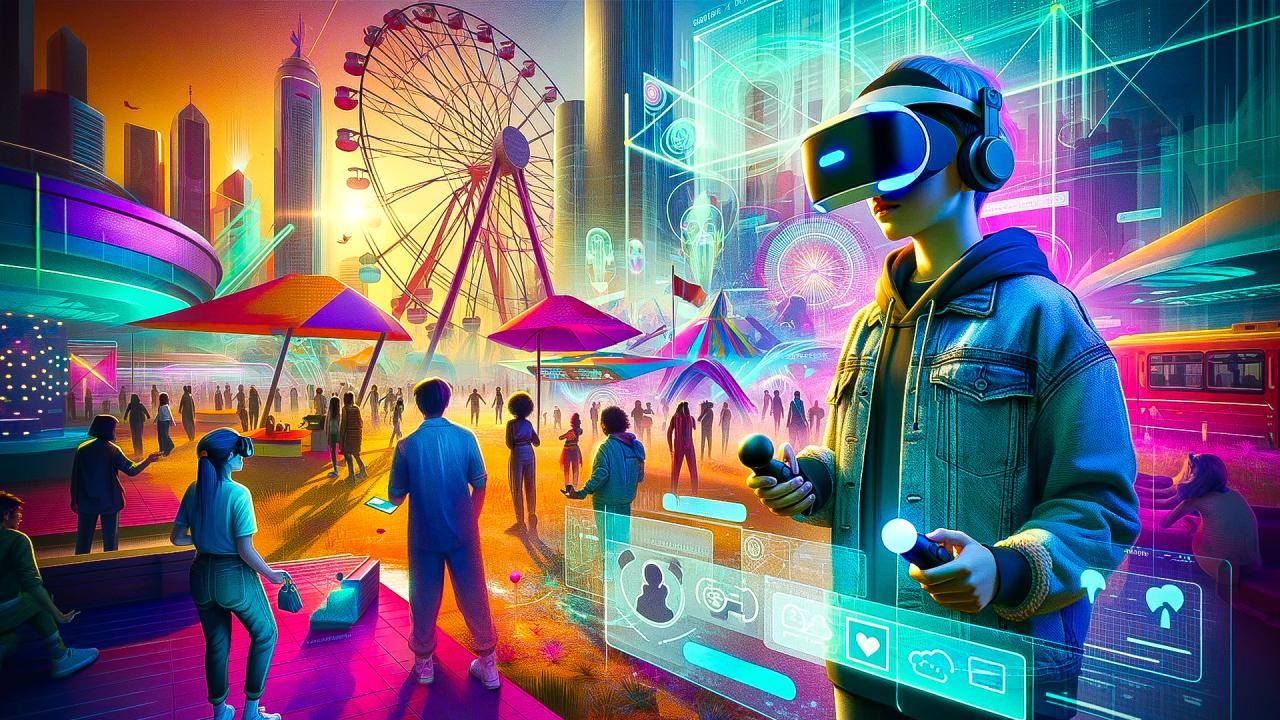
The concept of the Metaverse has evolved from a speculative science fiction trope into a tangible, multi-billion-dollar frontier for the next iteration of the internet. Often described as a convergence of virtually enhanced physical reality and physically persistent virtual spaces, the Metaverse represents a collective, shared, and immersive digital universe. While gaming platforms like Roblox and Fortnite have offered early glimpses, the true economic potential extends far beyond entertainment. This comprehensive analysis delves into the predicted evolution of the Metaverse economy, examining its foundational pillars, transformative sectors, monumental opportunities, and significant challenges. As businesses, investors, and individuals prepare for this paradigm shift, understanding the economic architecture of the Metaverse becomes crucial for strategic positioning in the coming decade.
Foundational Pillars of the Metaverse Economy
The economic engine of the Metaverse will be powered by a synergistic blend of advanced technologies and novel digital frameworks. These are not standalone components but interconnected systems that create a cohesive and functional digital economy.
A. Blockchain, NFTs, and Digital Ownership: At the core of the Metaverse’s economic model lies blockchain technology. It provides the infrastructure for verifiable digital scarcity, ownership, and value transfer. Non-Fungible Tokens (NFTs) transcend their current association with digital art, evolving into deeds for virtual land, titles for avatar wearables, certificates for in-world achievements, and keys to exclusive experiences. This establishes a true digital property rights system, enabling users to own, trade, and monetize their virtual assets securely and transparently across different platforms, fostering a creator-driven economy.
B. Interoperability and Open Standards: A fragmented Metaverse composed of isolated “walled gardens” would severely limit economic potential. The future points towards increased interoperability the ability for assets, identities, and data to move seamlessly between different virtual worlds and platforms. Initiatives like the Metaverse Standards Forum are crucial. This will create a networked economy where a sword earned in one fantasy RPG can be displayed as a trophy in a social hub, or a designer outfit purchased in a digital mall can be worn across various social Metaverses.
C. Cryptocurrencies and Decentralized Finance (DeFi): Native digital currencies and tokens will serve as the lifeblood of commerce within these virtual worlds. These can range from platform-specific tokens to broader cryptocurrencies like Ethereum. Integrated DeFi protocols will allow for sophisticated economic activities: lending against virtual land as collateral, earning yield on digital asset deposits, obtaining mortgages for virtual property, and creating complex, user-governed economic ecosystems without traditional financial intermediaries.
D. Immersive Technologies (VR, AR, XR): Virtual Reality (VR), Augmented Reality (AR), and Extended Reality (XR) hardware and software are the gateways to the Metaverse. As these technologies become more affordable, comfortable, and socially acceptable, user adoption will surge. High-fidelity immersion enhances the perceived value of digital experiences and assets, driving engagement and, consequently, economic activity. The blend of physical and digital (via AR) will unlock unique location-based commerce and advertising models.
Transformative Sectors and Economic Opportunities
The Metaverse will not create an entirely new economy from scratch but will profoundly disrupt and augment existing industries while birthing novel ones.
A. Virtual Real Estate and Development: Platforms like Decentraland and The Sandbox have already seen multi-million dollar sales of virtual land parcels. This sector will mature into a full-fledged digital property market. Economic opportunities include speculative investment, development (building virtual stores, galleries, entertainment venues), property management, and rental services. Location, defined by digital foot traffic and proximity to popular “portals,” will be paramount, giving rise to Metaverse location scouts and urban planners.
B. The Creator Economy 2.0: The Metaverse democratizes creation. Users will utilize intuitive, in-world tools to design and sell assets from clothing and furniture to complex interactive games and experiences. This will empower a new generation of 3D designers, scripters, and experience architects. Revenue models will diversify beyond direct sales to include subscriptions, licensing, and revenue-sharing from events hosted on user-generated spaces, making the Metaverse a primary source of income for millions.
C. Work, Collaboration, and Remote Enterprise: The future of work will be reimagined through persistent virtual offices and collaboration spaces. These environments will move beyond video call grids to enable spatial interactions, brainstorming on 3D whiteboards, and prototyping products in shared digital spaces. This will reduce geographical barriers, lower physical office costs, and spawn industries focused on designing virtual workspaces, creating professional avatar suits, and developing enterprise-grade security and productivity tools for the virtual domain.
D. Retail, Fashion, and E-Commerce: Major brands from Gucci to Nike are already establishing a presence. The future will see the rise of “phygital” commerce, where a consumer purchases a physical item and receives its digital twin for their avatar, or vice-versa. Virtual try-ons in AR, immersive brand experiences (like virtual car test drives or fashion shows), and digital-only clothing lines will become standard. This creates a new channel for customer engagement, data collection, and sales, fundamentally altering marketing strategies.
E. Education and Training: The Metaverse offers unparalleled opportunities for immersive learning. Medical students can perform virtual surgery, engineers can disassemble complex machinery, and history students can “witness” historical events. This sector will see growth in specialized educational world development, certification programs held entirely in the Metaverse, and corporate training simulations for high-risk or high-cost procedures, offering a safer and more scalable alternative to traditional methods.
F. Entertainment, Socialization, and Live Events: Concerts, movie premieres, and sporting events in the Metaverse will become mainstream, offering global accessibility and interactive elements impossible in the physical world. New roles will emerge, such as virtual event producers, stage designers for digital environments, and avatar choreographers. Social platforms will evolve into full 3D spaces where hanging out involves shared activities in dynamic environments, creating new avenues for social commerce and community building.
 Challenges and Considerations for a Sustainable Digital Economy
The path to a thriving Metaverse economy is fraught with significant hurdles that must be addressed to ensure its long-term viability and health.
A. Privacy, Security, and Data Sovereignty: Immersive platforms will collect unprecedented amounts of sensitive biometric and behavioral data eye gaze, physiological responses, movement patterns. Robust frameworks for data ownership, consent, and protection are non-negotiable. Security threats will also evolve, including sophisticated avatar impersonation, asset theft, and harassment in immersive forms, requiring new regulatory and technological safeguards.
B. Digital Divide and Accessibility: High-quality Metaverse access requires powerful computing hardware, high-speed internet, and often expensive VR headsets. This risks creating a profound digital divide, excluding swathes of the global population from economic participation. Ensuring equitable access through affordable technology and inclusive design (e.g., robust non-VR access) is a critical societal challenge.
C. Governance, Regulation, and Legal Frameworks: Who makes the rules in a borderless digital universe? Questions of jurisdiction, tax law (e.g., VAT on cross-border virtual goods), intellectual property rights enforcement, and digital contract law remain largely unanswered. A balance must be struck between decentralized community governance and necessary external regulation to prevent fraud, ensure consumer protection, and maintain economic stability.
D. Economic Stability and Speculative Bubbles: The nascent state of the Metaverse economy makes it highly susceptible to volatile speculation, as seen with early NFT and virtual land bubbles. Establishing intrinsic value for digital assets beyond speculation is crucial. Furthermore, the integration of DeFi could transmit financial contagion from the virtual to the real economy if not properly monitored, necessitating new forms of economic oversight.
Long-Term Predictions and The Road Ahead
Looking towards 2030 and beyond, several key predictions can be made about the maturation of the Metaverse economy.
A. The Rise of the Metaverse-Native Corporation: We will witness the emergence of major, financially powerful organizations that exist primarily or exclusively within the Metaverse. These entities perhaps a virtual real estate conglomerate, an experience design studio, or a financial services protocol will have decentralized autonomous organization (DAO) structures, global workforces, and balance sheets dominated by digital assets.
B. Seamless Physical-Digital Economic Loops: The boundary between physical and digital economic actions will blur. Earning cryptocurrency in a game might automatically contribute to a real-world retirement fund. A digital fashion item purchased for an avatar could be 3D-printed at home as a physical garment. Sensors in the physical world will update their digital twins in real-time, creating feedback loops that optimize logistics, manufacturing, and city management.

D. GDP Contribution and Macroeconomic Impact: As the Metaverse economy scales, it will begin to constitute a measurable and significant portion of national GDPs for technologically advanced countries. Governments will develop methodologies to track this economic activity, and “Digital GDP” may become a standard economic indicator, influencing monetary policy and international trade agreements.
Conclusion
The Metaverse represents the next significant chapter in the digitization of human life and commerce. Its economy promises to be a complex, dynamic, and deeply impactful system that extends and redefines traditional economic principles. While the landscape is currently characterized by rapid experimentation and speculative fervor, the underlying trends point towards a substantive transformation across industries. Success in this new frontier will belong to those who proactively understand its unique pillars digital ownership, interoperability, and immersive experience while thoughtfully navigating its inherent challenges of privacy, access, and governance. The businesses, creators, and policymakers who begin building the foundations today will be the architects and leaders of tomorrow’s multi-trillion-dollar virtual economy, shaping a future where our digital and physical lives are economically and experientially intertwined.