
The concept of a global village, interconnected and accessible to all through digital technology, remains a profound illusion for a significant portion of the world’s population. A recent comprehensive study has cast a stark light on the alarming reality: the global digital divide is not narrowing as once hoped; it is widening with serious and deepening consequences. This chasm between those with ready access to computers, high-speed internet, and digital literacy, and those without, is creating a new axis of global inequality, one that threatens to cement existing socio-economic disparities for generations. This article delves into the multifaceted dimensions of this expanding divide, exploring its root causes, its far-reaching implications across various sectors, and proposing actionable pathways toward a more inclusive digital future for all.
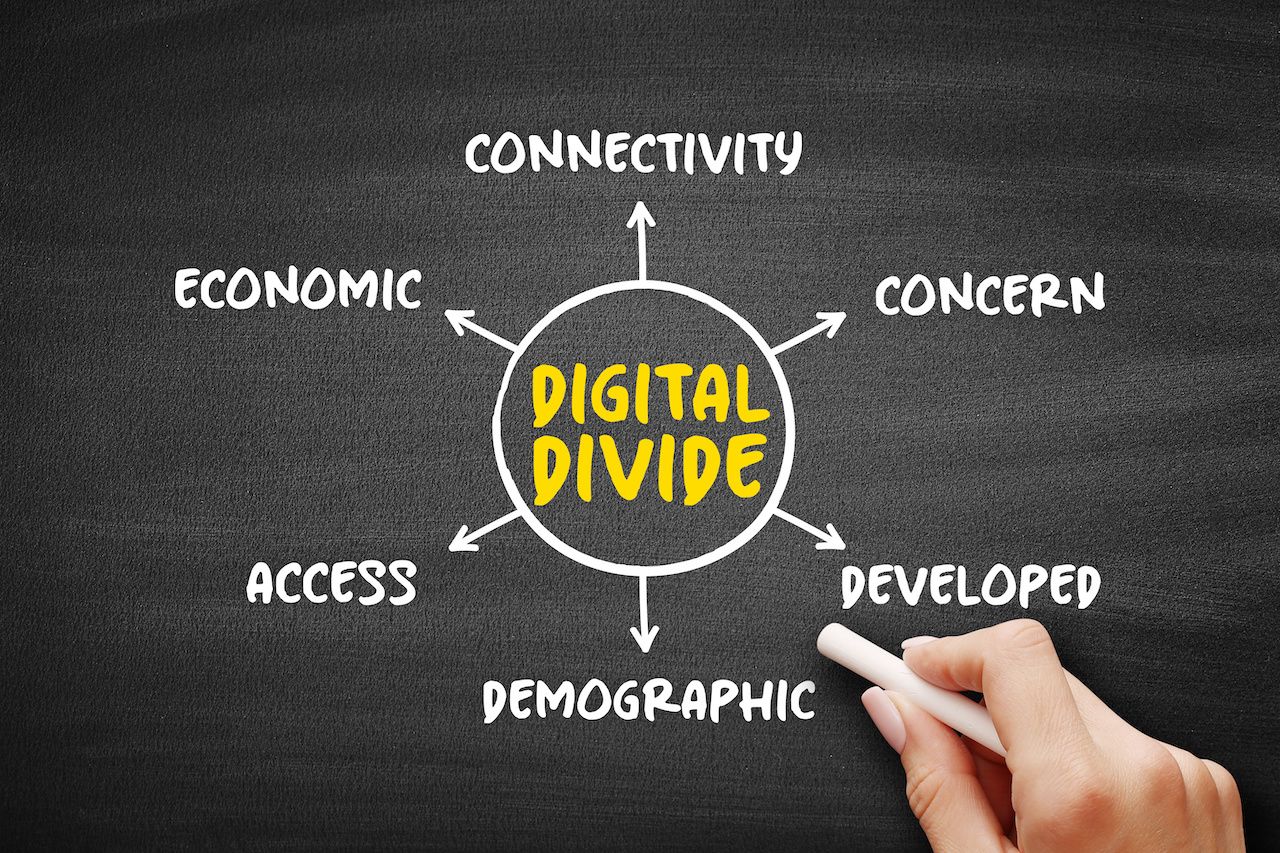
The digital divide is not a singular issue but a complex, layered phenomenon. At its most basic, it refers to the gap in access to Information and Communication Technologies (ICTs). However, contemporary analysis reveals it operates on at least three critical levels:
A. The Access Divide: This is the foundational layer, concerning the physical availability and affordability of devices and connectivity. While urban centers in developed nations experiment with 5G, vast rural areas in low-income countries lack even basic 3G coverage. The cost of a smartphone or a monthly data plan can represent a prohibitive percentage of household income in many regions.
B. The Usage Divide: Even where access is theoretically available, a significant gap exists in the quality and nature of usage. This encompasses factors like connection speed, data allowances, and device capability. One user may have fiber-optic broadband enabling remote work and high-definition streaming, while another relies on a pay-as-you-go, low-speed connection suitable only for basic messaging.
C. The Skills Divide (Digital Literacy): This is perhaps the most insidious layer. It involves the skills, knowledge, and confidence needed to use digital technology effectively and safely. This includes not only operational know-how but also critical thinking to evaluate online information, digital citizenship to navigate social platforms responsibly, and cybersecurity awareness to protect personal data. Without these skills, access alone is insufficient.
Root Causes: Why the Divide is Widening
The recent study underscores that progress in digital inclusion is being outpaced by the rapid advancement of technology itself and entrenched structural inequalities. Several key factors are driving the wedge deeper:
A. Socio-Economic Disparities: Poverty is the most significant barrier. For the world’s poorest, digital access is a luxury far behind food, shelter, and healthcare. This creates a vicious cycle: poverty limits access, and lack of access limits opportunities to escape poverty.
B. Geographic and Infrastructure Challenges: Laying fiber-optic cable or building cell towers in remote, mountainous, or sparsely populated regions is economically unappealing for private telecommunications companies. This leaves rural and isolated communities perpetually underserved.
C. Policy and Regulatory Failures: In some nations, lack of coherent national broadband strategies, excessive taxation on ICT equipment and services, or monopolistic markets keep prices high and innovation low. Government prioritization is crucial.
D. Educational Inequities: Schools lacking computers, internet, and teachers trained in digital skills reproduce the divide from an early age. A child without digital education is at a severe disadvantage in the modern knowledge economy.
E. Gender Inequality: In many cultures, women and girls face additional barriers, including restrictive social norms, lower incomes, and safety concerns online, leading to a pronounced gender digital gap.
F. Content and Language Relevance: Much of the internet’s dominant content is in English or other major languages, and is often not relevant to local cultures, needs, and contexts. This reduces the perceived utility of the internet for non-speakers.
Far-Reaching Consequences of an Expanding Divide
The implications of a widening digital chasm extend far beyond mere inconvenience. They threaten fundamental human rights and global development goals.
A. Economic Exclusion and Stunted Growth: The digital economy is the primary engine of growth. Lack of access excludes individuals from online job markets, freelancing platforms, and e-commerce opportunities. For nations, it means reduced competitiveness, limited foreign investment, and an inability to participate fully in global supply chains.
B. Educational Disadvantage: The COVID-19 pandemic brutally exposed this consequence. While students with access continued learning via platforms like Zoom, millions were left behind with no means to connect. This “homework gap” translates to lower educational outcomes, limiting future potential.
C. Healthcare Inequities (The “Digital Health Divide”): Telemedicine, online health information, and digital health records are revolutionizing care. Those without access are denied these benefits, leading to poorer health outcomes, especially in preventative care and management of chronic diseases.
D. Political and Social Marginalization: Civic participation is increasingly digital—from accessing government services (e-government) to engaging in public discourse. The digitally excluded become second-class citizens, unable to claim benefits, voice opinions, or hold authorities accountable effectively.
E. Exacerbation of Existing Inequalities: The digital divide does not exist in a vacuum; it amplifies and reinforces existing inequalities based on income, geography, gender, age, and disability. It risks creating a permanently locked-out underclass.

Charting the Path Forward: Strategies for Digital Inclusion
Bridging the digital divide requires a concerted, multi-stakeholder effort that treats internet access not as a luxury, but as a fundamental utility, akin to water or electricity. The following strategies provide a roadmap:
A. Infrastructure Investment and Innovation: Governments and development banks must prioritize funding for backbone infrastructure in underserved areas. Innovative solutions like low-earth orbit satellites (e.g., Starlink), TV white space technology, and community networks can provide cost-effective last-mile connectivity.
B. Affordability Initiatives: Policymakers can reduce taxes on low-cost devices and data, promote device-sharing programs, and mandate “universal service obligations” for telecom operators to offer basic, affordable packages.
C. Comprehensive Digital Literacy Programs: National curricula must integrate digital skills from primary education onward. Community-based training centers for adults, especially targeting women, farmers, and small business owners, are essential. Literacy must include safety, privacy, and critical evaluation skills.
D. Fostering Locally Relevant Content: Encouraging the creation of digital content in local languages, addressing local needs (e.g., agricultural advice, local market prices), is key to driving meaningful usage and demonstrating value.
E. Strengthening Policy and Regulatory Frameworks: Governments need to develop and implement clear national digital inclusion strategies with measurable targets. Regulations should encourage competition, protect consumer rights, and ensure net neutrality.
F. Public-Private Partnerships (PPPs): The scale of the challenge necessitates collaboration. Tech companies can contribute expertise, infrastructure, and funding, while governments provide regulatory support and channel efforts toward public goods.
G. International Cooperation and Funding: The divide is a global problem requiring global solutions. International bodies and developed nations must increase funding and technical assistance for digital inclusion projects in the Global South as part of their development commitments.
 The Imperative for Immediate Action
The study’s conclusion is unequivocal: the widening digital divide is one of the most pressing geopolitical and humanitarian challenges of the 21st century. In an era where digital capability determines economic viability, educational success, and social participation, allowing this gap to grow is a recipe for profound global instability and injustice.
Closing the divide is not merely a technological challenge; it is a moral and economic imperative. It requires shifting the paradigm from viewing connectivity as a market commodity to recognizing it as an essential public good that underpins all other human rights. The time for isolated projects and vague promises is over. What is needed is a global movement, backed by political will and sustained investment, to ensure that every person, regardless of birthplace or economic status, has the tools and skills to participate in the digital age. The alternative a world permanently split into the digitally empowered and the digitally disenfranchised is a future too bleak to accept. The choice, and the responsibility, to bridge the chasm rests with us now.