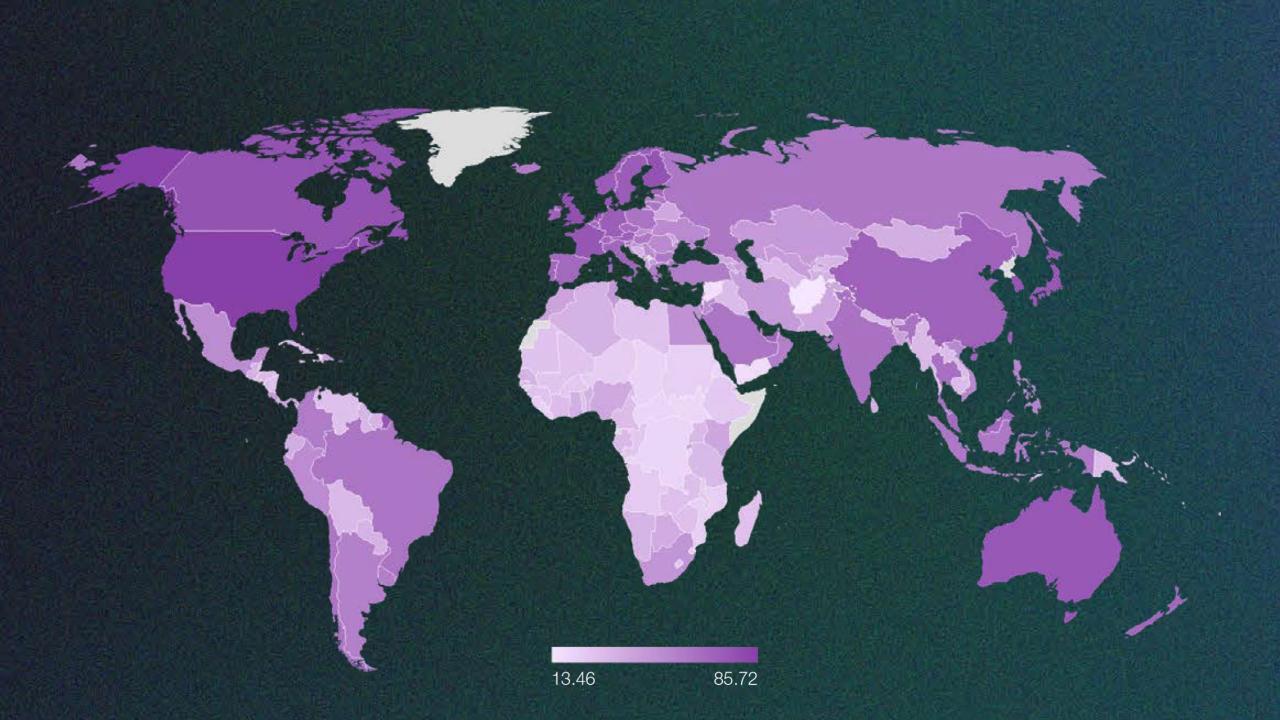
In an age where economic prosperity, social advancement, and national resilience are inextricably linked to technological integration, the concept of “digital readiness” has emerged as a critical benchmark for a country’s future trajectory. Far beyond mere internet access, digital readiness provides a holistic measurement of a nation’s capacity to not only adopt but also effectively absorb, implement, and innovate with digital technologies across all sectors of society. This comprehensive analysis delves into the multifaceted components that constitute the Global Digital Readiness Index, offering an in-depth exploration of the leading nations, the key pillars of assessment, and the profound implications for global economic parity. Understanding these rankings is essential for policymakers, investors, and citizens alike, as they map the competitive landscape of the 21st century and highlight the urgent need for strategic investment in digital infrastructure and human capital.
Deconstructing the Digital Readiness Framework: Beyond Connectivity
Digital readiness evaluations move past simplistic metrics like broadband speed. They encompass a complex ecosystem of factors that collectively determine a society’s ability to thrive in a digital economy. Leading indices from organizations like the World Economic Forum, the International Telecommunication Union (ITU), and various think tanks converge on several interdependent pillars. A thorough grasp of these components is vital for interpreting the rankings accurately.
A. Technological Infrastructure and Accessibility: This foundational pillar assesses the physical and logistical backbone of digital adoption. Key metrics include the ubiquity and quality of fixed and mobile broadband networks (4G/5G coverage), internet penetration rates, the affordability of data plans relative to income, and the deployment of next-generation infrastructures like fiber-optic networks and Internet Exchange Points (IXPs). A robust infrastructure ensures that digital tools are accessible to the entire population, not just urban elites.
B. Human Capital and Digital Literacy: Technology is meaningless without a populace skilled to use it. This pillar evaluates the educational system’s effectiveness in fostering digital skills, from basic computer literacy to advanced coding and data analysis. It considers enrollment in STEM fields, the quality of digital education in schools, and nationwide adult literacy rates. Furthermore, it assesses the presence of continuous learning and upskilling programs to help the workforce adapt to rapidly evolving technological demands.
C. Governmental Policy and Strategic Vision: The role of government is pivotal. This area examines the clarity, ambition, and enforceability of national digital strategies. It looks at regulations concerning data privacy, cybersecurity, digital identity, and e-governance. Supportive policies that encourage innovation, protect consumers, and facilitate digital entrepreneurship (such as startup visas and sandbox environments) significantly boost a country’s score. Transparency and the digitization of public services are also crucial indicators.
D. Economic and Innovative Ecosystem: This measures the vibrancy of the private sector’s engagement with technology. Metrics include venture capital investment in tech startups, the level of research and development (R&D) expenditure, the number of patents filed in ICT sectors, and the overall integration of digital tools by small, medium, and large enterprises (SME digitization). A dynamic ecosystem attracts talent and investment, creating a virtuous cycle of innovation.
E. Societal Integration and Digital Citizenship: How seamlessly is digital technology woven into the daily fabric of life? This pillar assesses adoption rates of e-commerce, digital banking, telemedicine, and online learning. It also considers more nuanced aspects like societal trust in online platforms, media literacy to combat misinformation, and the use of digital tools for social inclusion, ensuring vulnerable groups are not left behind.
Global Leaders and Regional Contenders: A Detailed Landscape Analysis
Based on a synthesis of recent major indices, a clear hierarchy of digital readiness emerges, though with notable variations depending on specific methodological emphases.
Tier 1: The Pioneering Front-Runners
Nations in this echelon excel across all pillars, demonstrating balanced strength. They are characterized by long-term strategic vision, consistent investment, and a culture of innovation.
-
Nordic Nations (Sweden, Denmark, Finland, Norway): Consistently topping charts, these countries combine world-class infrastructure with exceptional human capital. Their educational systems emphasize digital skills from an early age, while strong social trust facilitates high adoption of e-government services. Progressive policies on data and competition further cement their lead.
-
Switzerland and the Netherlands: Powerhouses of innovation and economic stability, these countries leverage highly skilled workforces and strategic geographic positions as tech hubs. Their business environments are exceptionally conducive to digital entrepreneurship and R&D.
-
Singapore and South Korea: Perhaps the most compelling success stories, these nations have implemented state-driven digital transformations with remarkable results. South Korea’s unparalleled gigabit-speed internet penetration and Singapore’s “Smart Nation” initiative, which integrates technology into every aspect of urban life, serve as global benchmarks for focused, top-down digital strategy.
Tier 2: The Advanced Adapters
These major economies possess immense strengths but often face challenges related to scale, inequality, or legacy systems.
-
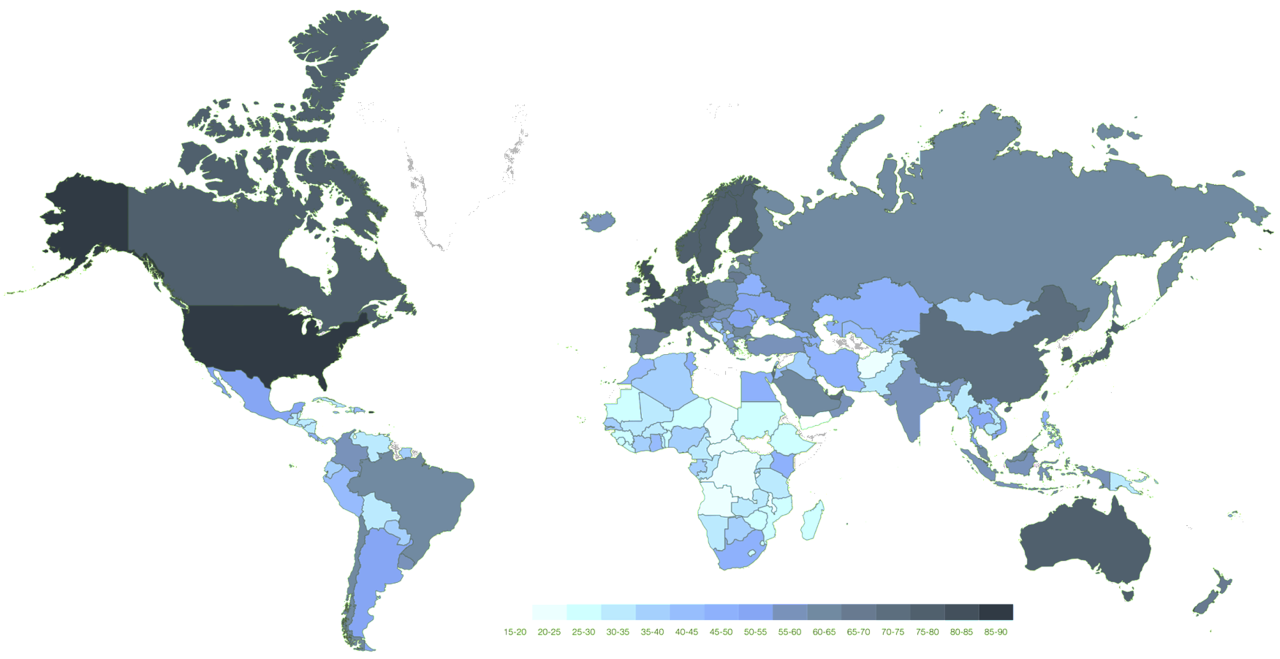
United States: A leader in innovation, venture capital, and home to the world’s dominant tech giants. However, its score is frequently hampered by significant disparities in rural broadband access, uneven digital literacy, and a complex, fragmented regulatory landscape at the federal and state levels.
-
United Kingdom, Germany, and Australia: These countries boast strong infrastructure and sophisticated digital economies. Their governments are actively pursuing digital ID and service integration. Challenges include ensuring the digital transformation of traditional industrial sectors and addressing mid-career skills gaps.

Tier 3: The Rapidly Ascending Economies
This group showcases the most dynamic shifts in the rankings, with nations making aggressive strides through targeted investments.
-
Estonia and the United Arab Emirates: Estonia’s “e-residency” program and completely digitized public services make it a model for small nations. The UAE, particularly Dubai, has leveraged sovereign wealth to build futuristic infrastructure and attract global tech talent, aiming to become a nexus for the digital economy.
-
Malaysia, Chile, and Uruguay: These regional leaders in Southeast Asia, South America, and the Caribbean, respectively, have made digital inclusion a central policy plank. Successful public-private partnerships in infrastructure rollout and focused digital literacy campaigns have propelled their standing.
Tier 4: The Developing Foundations
Many nations in Africa, South Asia, and parts of Latin America face an uphill battle. While mobile money adoption in Kenya (M-Pesa) is a standout story of innovation, foundational issues persist. The primary challenges are the high cost of connectivity relative to income, unreliable electricity, low digital literacy, and under-resourced educational systems. Their progress often hinges on leapfrog technologies and international partnership models.
Critical Implications: Why These Rankings Matter Profoundly
The Digital Readiness Index is not an academic exercise; it is a powerful predictor of national destiny with concrete ramifications.
A. Economic Competitiveness and GDP Growth: A direct correlation exists between digital readiness and economic performance. Digitally ready nations attract high-value industries, foster productivity through automation and data analytics, and create new digital service sectors. They are better positioned to compete in the global knowledge economy.
B. Societal Resilience and Quality of Life: The COVID-19 pandemic served as a stark stress test. Countries with high digital readiness seamlessly transitioned to remote work, telemedicine, and online education, mitigating social and economic disruption. This resilience extends to managing climate challenges, healthcare systems, and civic engagement through digital tools.
C. The Perpetuation of Global Inequality: The index vividly maps the global digital divide. If unaddressed, this divide risks cementing a new form of structural inequality, where digitally advanced nations accelerate away from those still struggling with basic connectivity, creating a “digital underclass” on a planetary scale.
D. National Security and Sovereignty: Digital readiness underpins cybersecurity preparedness. Nations with weak digital infrastructures and low public awareness are more vulnerable to cyber-attacks, disinformation campaigns, and data breaches, threatening their economic and political sovereignty.
Bridging the Gap: Strategic Pathways for Enhanced Digital Preparedness
For nations seeking to improve their ranking, a coordinated, multi-stakeholder approach is non-negotiable.
A. Prioritizing Universal, Affordable Access: Governments must treat broadband as essential 21st-century infrastructure, akin to roads or electricity. This may involve subsidy programs, incentivizing private investment in underserved areas, and exploring innovative solutions like low-earth orbit satellite internet.
B. Overhauling Education for the Digital Age: Curriculum reform must embed computational thinking, critical digital literacy, and STEM education from primary levels. Lifelong learning initiatives, including vocational retraining programs, are crucial to maintain a relevant workforce.
 C. Crafting Agile and Forward-Looking Policy: Regulation must protect citizens without stifling innovation. Policies should be principles-based and technology-neutral to remain relevant. Governments must lead by example, digitizing their own services to drive adoption and set standards.
D. Fostering Public-Private Synergy: The scale of investment required necessitates collaboration. Governments can de-risk investments for private companies in infrastructure, while corporates can contribute expertise and funding for digital skills initiatives.
E. International Cooperation and Knowledge Transfer: Developed nations and multilateral organizations have a role in facilitating technology transfer, financing infrastructure projects in developing nations, and establishing global standards for data privacy and cybersecurity.
Conclusion: Navigating the Inevitable Digital Future
The Global Digital Readiness Index provides an indispensable, if sobering, snapshot of a world in rapid flux. It reveals leaders setting the pace, adapters navigating complex transitions, and emerging nations striving to claim their digital destiny. The rankings underscore that digital transformation is no longer a sector-specific issue but a comprehensive national project central to security, prosperity, and social cohesion. For every country, regardless of its current standing, the imperative is clear: to strategically and inclusively invest in the digital foundations of tomorrow. The alternative is not merely stagnation, but irrelevance in the new world being shaped by bits and bandwidth. The race for digital readiness is, fundamentally, the race for the future itself.