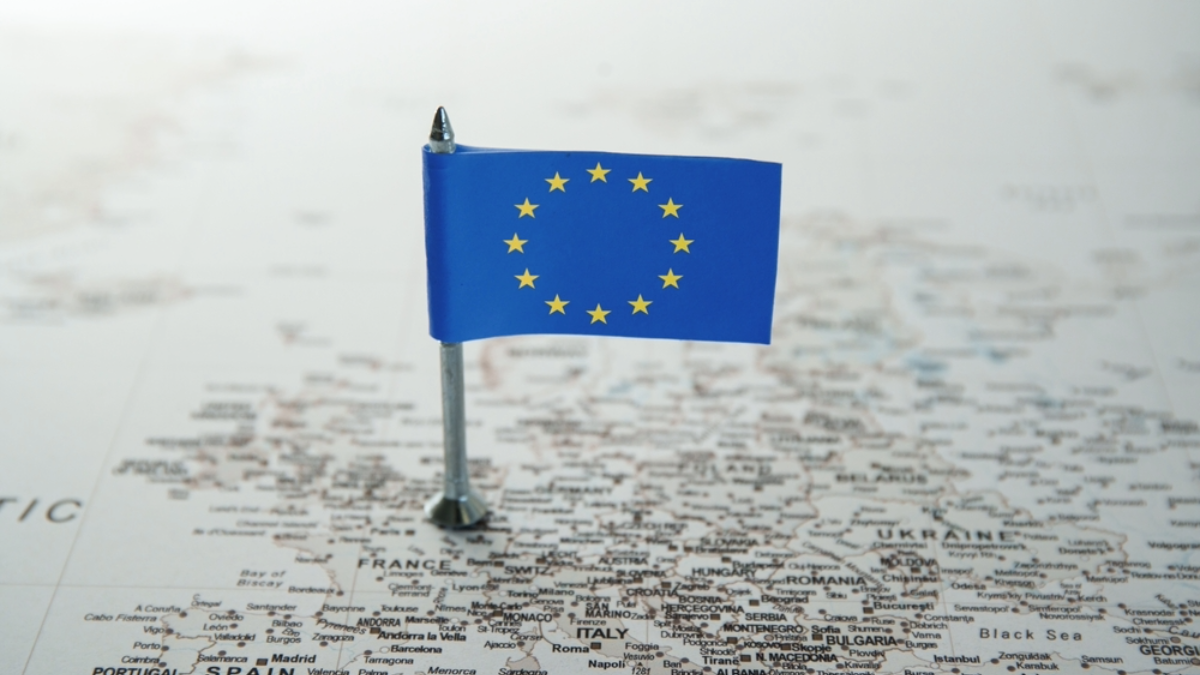
In an era dominated by data flows and algorithmic power, the concept of national or regional control over digital infrastructure, technology, and data digital sovereignty has become a paramount geopolitical concern. While nations like the United States and China have cultivated global tech behemoths, the European Union finds itself in a unique and precarious position. Lacking native platforms on the scale of Google, Amazon, or TikTok, and wary of foreign surveillance and economic dependency, Europe has embarked on an ambitious, complex, and high-stakes journey: the battle for its digital sovereignty. This is not merely a regulatory skirmish; it is a comprehensive campaign to assert economic independence, safeguard fundamental rights, and secure Europe’s place as a rule-maker in the 21st-century digital order.
Europe’s quest is fundamentally driven by a confluence of strategic anxieties and a distinct philosophical outlook. The continent’s digital landscape is overwhelmingly populated by non-European services, creating profound dependencies. This reliance raises alarms in several critical domains:
A. Economic and Industrial Dependence: The dominance of foreign cloud providers, software, and platforms means that vast amounts of European economic value and data are processed and monetized elsewhere. This stifles innovation within the EU, limits the growth of European tech champions, and creates a significant trade deficit in digital services.
B. Security and Surveillance Risks: Revelations like those from Edward Snowden underscored the vulnerability of European citizens’ and governments’ data to foreign intelligence gathering. The extraterritorial reach of laws like the U.S. CLOUD Act further complicates data privacy, allowing U.S. authorities to potentially access data stored on servers located in Europe if held by U.S. companies.
C. Democratic and Societal Values: Europe’s foundational commitment to privacy, data protection, and human dignity often clashes with the data-hungry business models prevalent in Silicon Valley and the state-centric control model of China. The EU sees its regulations as an export of its values, protecting citizens from manipulation, disinformation, and opaque algorithmic decision-making.
D. Strategic Autonomy: In a world of increasing great-power competition, digital infrastructure is as critical as energy or defense. Over-reliance on foreign tech for 5G networks, cloud computing, or artificial intelligence is viewed as a strategic vulnerability, potentially leaving Europe exposed to coercion or supply-chain disruptions.
The European Union’s primary weapon in this battle has been its formidable regulatory power. Through sweeping legislation, the EU aims to create a “level playing field” shaped by its own rules.
A. The General Data Protection Regulation (GDPR): Enacted in 2018, the GDPR was the opening salvo. It established a global gold standard for data privacy, granting individuals unprecedented control over their personal data and imposing heavy fines for non-compliance. Its “Brussels Effect” forced companies worldwide to change their practices, demonstrating Europe’s ability to set de facto global standards.
B. The Digital Markets Act (DMA) and Digital Services Act (DSA): This landmark twin legislation targets the core of platform power. The DMA designates the largest platforms as “gatekeepers” and imposes strict obligations on them to ensure fairness, interoperability, and contestability. The DSA creates a comprehensive accountability framework for all digital services, focusing on transparent content moderation, risk management, and user protection. Together, they aim to dismantle unfair practices and curb the dominance of Big Tech.
C. The Data Governance Act and Data Act: These laws focus on unlocking the economic potential of data while maintaining control. The Data Governance Act facilitates voluntary data sharing through neutral intermediaries, fostering European data spaces in sectors like health and transportation. The Data Act clarifies who can create value from data generated by connected products (like IoT devices), aiming to give European businesses and consumers a fair share.
D. The AI Act: As the world’s first comprehensive legal framework on artificial intelligence, this pioneering regulation adopts a risk-based approach. It bans unacceptable AI practices (e.g., social scoring), imposes strict requirements on high-risk systems (e.g., in recruitment or critical infrastructure), and mandates transparency for general-purpose AI and chatbots. It embodies the EU’s ethic-centric approach to technological innovation.
E. The Cyber Resilience Act: Recognizing that hardware and software security is foundational, this proposed act mandates strict cybersecurity requirements for all connected products placed on the EU market, throughout their entire lifecycle.
While regulation is a powerful tool for defense and rule-setting, true sovereignty requires indigenous capability. Europe’s “technological building” agenda faces significant challenges but is seeing increased investment and ambition.
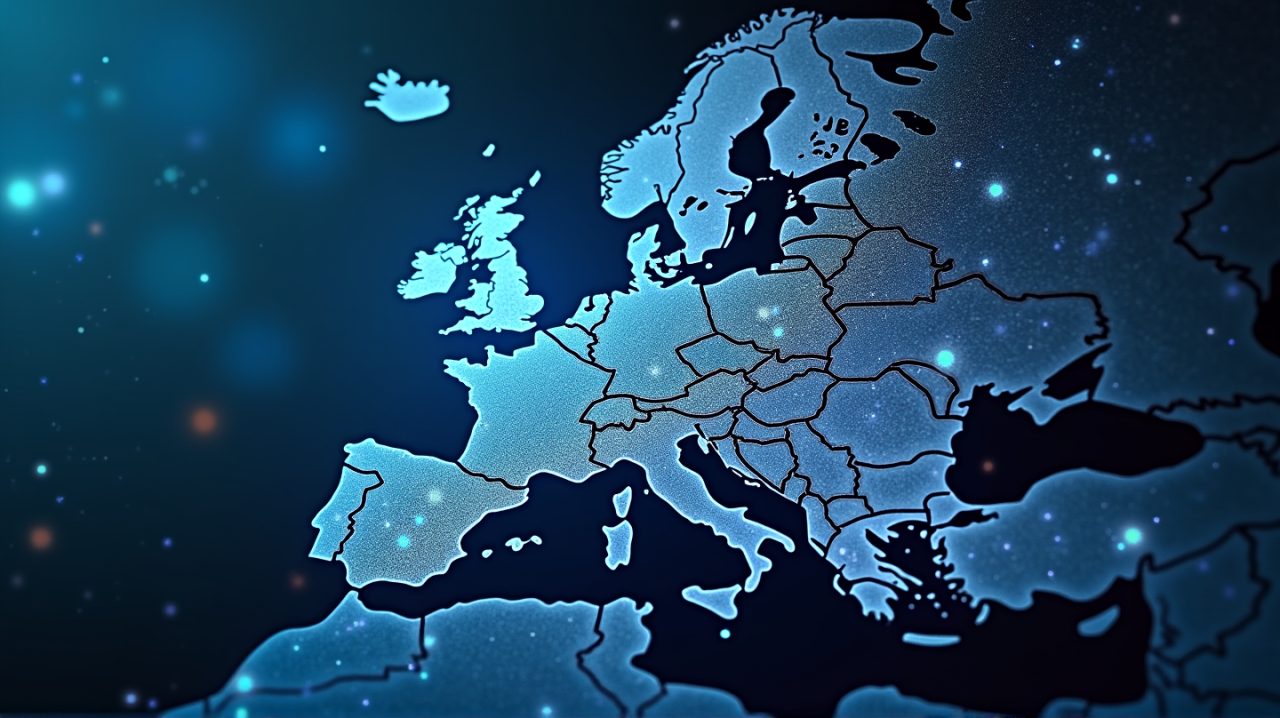
A. Cloud Sovereignty and Gaia-X: In response to dependency on AWS, Microsoft Azure, and Google Cloud, the EU launched Gaia-X. This Franco-German-initiated project aims to create a federated, secure, and interoperable data infrastructure ecosystem based on European standards and values. It seeks to connect existing cloud providers under common rules, rather than building a single “EU cloud.” However, progress has been slow, complicated by the participation of the very U.S. giants it aims to counter and questions about its ultimate market impact.
B. Fostering European Champions: The EU acknowledges the “scale-up gap” – turning innovative startups into global leaders. Initiatives like the European Innovation Council and strategic investments in key areas (microelectronics, quantum computing) aim to bolster the ecosystem. Success stories like Spotify (Sweden) and SAP (Germany) exist, but creating rivals to the comprehensive ecosystems of Apple or Tencent remains a monumental task.
C. Strategic Partnerships and Alliances: Recognizing it cannot act alone, the EU is forging “digital alliances” with like-minded democracies such as Japan, South Korea, and Canada. These partnerships focus on coordinating approaches to digital governance, standard-setting, and securing supply chains for critical components like semiconductors, reducing reliance on a single geopolitical bloc.
The path to digital sovereignty is fraught with internal tensions and external pressures. Critics point to a fundamental paradox: can Europe regulate global giants into fairness while simultaneously nurturing its own competitors? Heavy regulation, though well-intentioned, may inadvertently stifle innovation by increasing compliance costs for smaller European firms. The regulatory burden itself is becoming immense for businesses to navigate.
There is also a delicate balancing act between sovereignty and openness. Building walls around the European digital single market could limit access to global innovation, increase costs for consumers, and fragment the internet. The EU must promote “strategic openness” – protecting its core interests while engaging with the world.
Internally, member states sometimes have diverging priorities. Nations like France push for more protectionist and sovereignty-driven policies (“cloud de confiance”), while others like Ireland and the Netherlands, hosting many U.S. tech European HQs, favor a more open, business-friendly approach. Achieving consensus is a constant challenge.
Furthermore, the global reaction to Europe’s rule-making is mixed. While many democracies admire and emulate parts of the GDPR, the DMA and AI Act are viewed by some trade partners as potentially protectionist. The risk of retaliatory measures or a deepening of digital fragmentation (the “splinternet”) is real.
Looking ahead, Europe’s digital sovereignty battle will be defined by several key fronts. The implementation and enforcement of its vast new rulebook will be critical regulators must be adequately resourced to take on the legal might of the world’s richest companies. Success will also hinge on massive investments in digital skills, research, and infrastructure, funded through mechanisms like the EU’s Recovery and Resilience Facility.
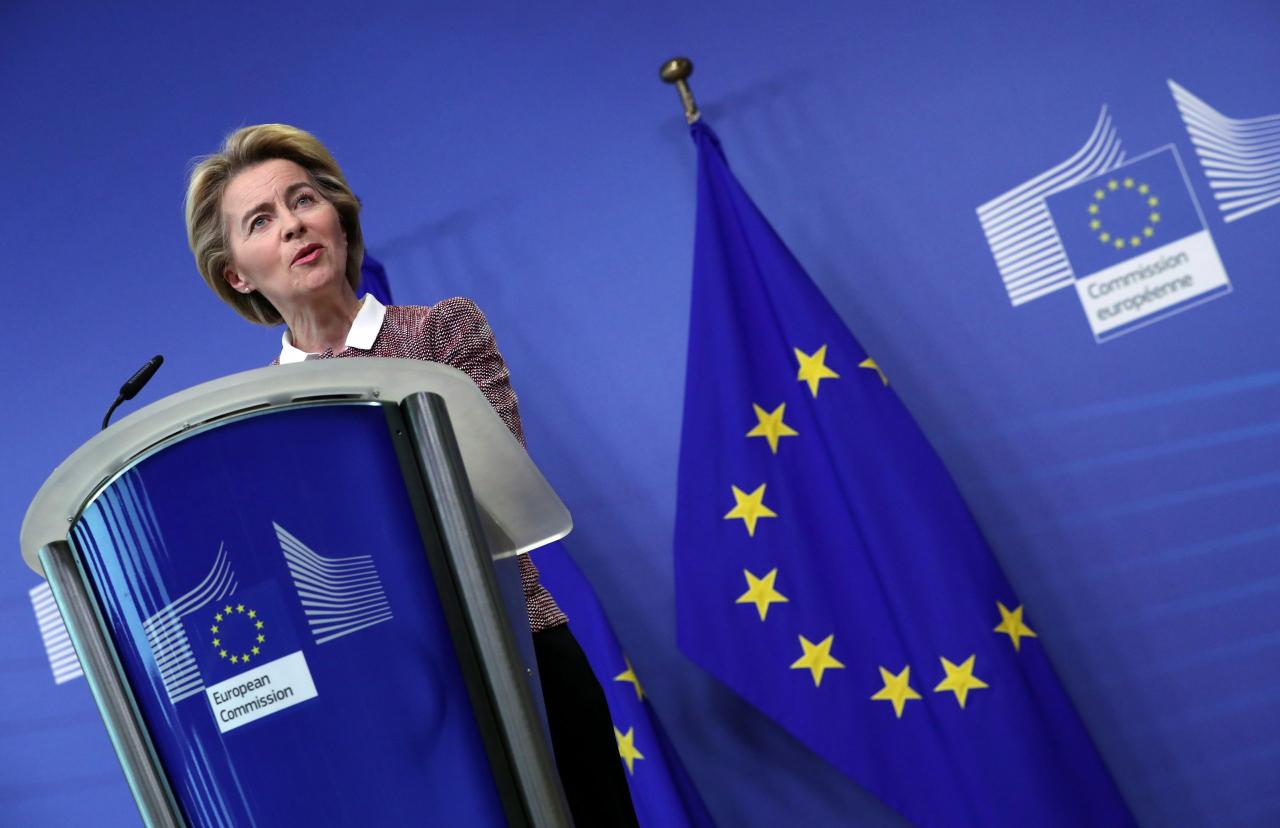
The geopolitical dimension will intensify. As U.S.-China tensions escalate, Europe will be pressured to choose sides in technology decoupling. Its goal of “strategic autonomy” will be tested in securing access to critical raw materials, semiconductors, and cutting-edge technologies.
Ultimately, Europe’s quest is a grand experiment. It seeks to prove that a rules-based, rights-centric model of digital society is not only viable but essential for democratic resilience. It is attempting to chart a “third way” between the U.S.’s market-dominated model and China’s state-controlled model. The outcome of this battle will resonate far beyond Europe’s borders, influencing the global future of the internet, the balance of technological power, and the very nature of digital citizenship in the decades to come. The journey is as much about defining Europe’s identity in the digital age as it is about controlling its data and infrastructure.