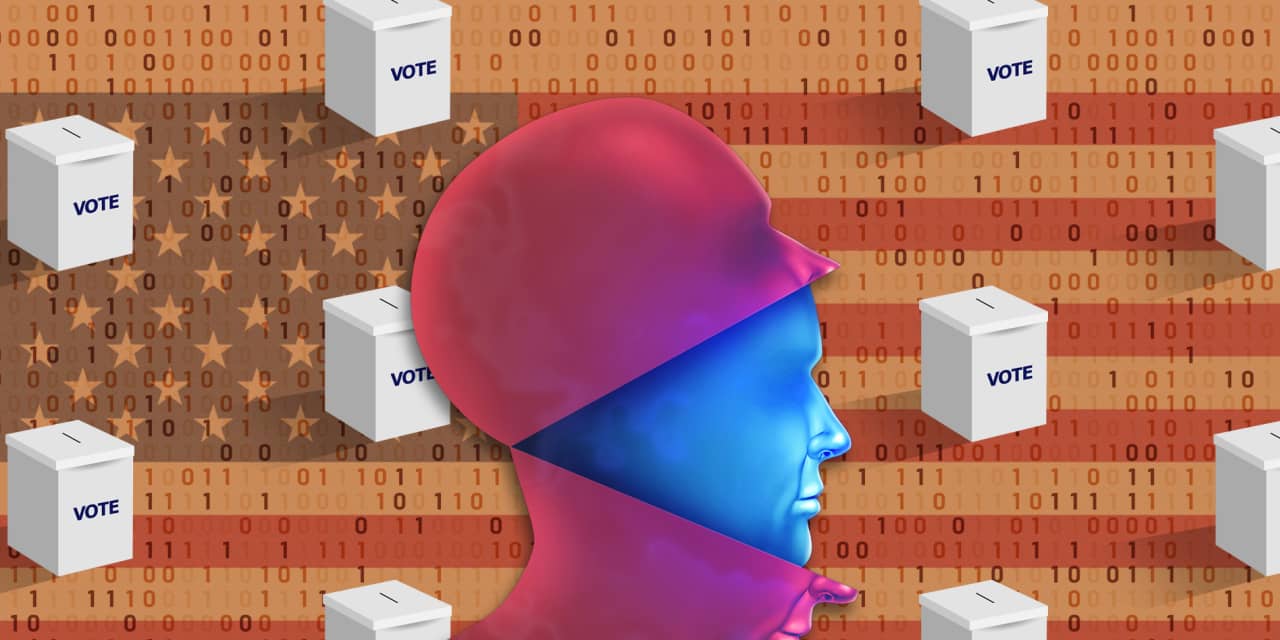
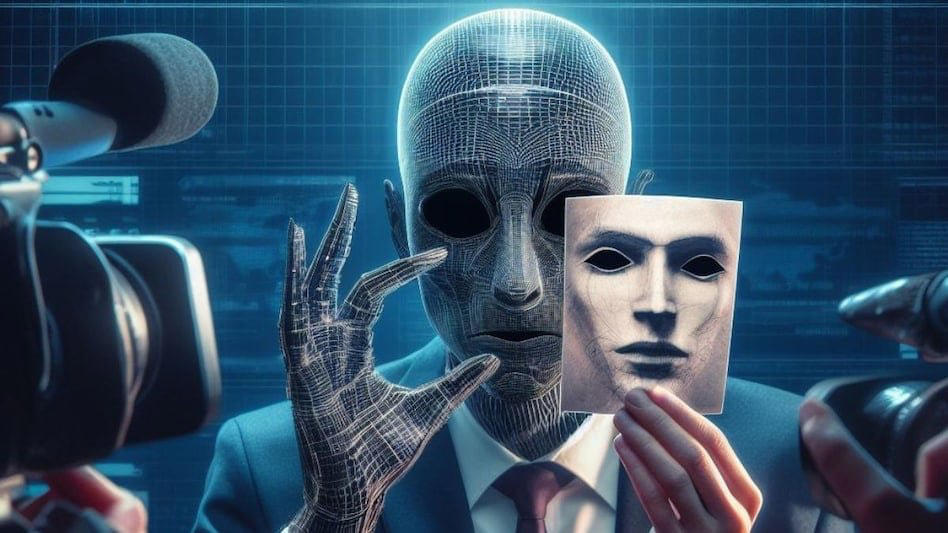
In the digital epoch, the bedrock of democracy free and fair elections faces an unprecedented and insidious challenge. The advent of sophisticated artificial intelligence has birthed synthetic media, commonly termed “deepfakes,” which present a profound threat to electoral integrity worldwide. This comprehensive analysis delves into the multifaceted dangers posed by AI-generated disinformation in political campaigns, extending far beyond the initial scope of recent threat studies. We will explore the technological underpinnings, the potential impact on voter behavior, the current state of detection and defense, and the holistic societal response required to safeguard democratic processes for the future.
The term “deepfake” originates from a portmanteau of “deep learning” and “fake.” At its core, this technology utilizes a branch of AI known as generative adversarial networks (GANs). Imagine two AI systems in a constant duel: one (the generator) creates increasingly realistic forgeries of video, audio, or images, while the other (the discriminator) tries to identify the flaws. This adversarial training loop results in synthetic content that can be virtually indistinguishable from authentic media to the human eye and ear. While the technology has benign applications in film, art, and education, its weaponization for political sabotage represents a dark turn. The barrier to entry has lowered dramatically; open-source algorithms and user-friendly applications now allow actors with modest technical skills to produce convincing fabrications.
The threat deepfakes pose to elections is not monolithic but a spectrum of targeted manipulations designed to erode trust, distort truth, and manipulate outcomes. The consequences extend far beyond a single false story.
A. Candidate Impersonation and Character Assassination: The most direct threat involves creating fabricated videos or audio recordings of a candidate. Imagine a hyper-realistic video of a leading candidate purportedly confessing to a crime, expressing contempt for voters, or conspiring with foreign powers released in the final 48 hours before an election. The “liar’s dividend” phenomenon exacerbates this; the mere existence of deepfakes allows genuine candidates to dismiss authentic, damaging recordings as fraudulent, creating a chaotic environment where nothing can be believed.
B. Undermining Electoral Institutions and Processes: Deepfakes can be deployed to attack the legitimacy of the election itself. Synthetic media could falsely depict election officials tampering with ballots, announce fabricated voting machine malfunctions, or broadcast fake emergency declarations delaying polling. This targeted disinformation aims to suppress turnout, incite unrest, or delegitimize the eventual result, fostering instability regardless of who wins.
C. Sabotaging Diplomatic Relations and Inciting Conflict: A deepfake portraying a candidate making inflammatory statements about a neighboring country or a key ally could trigger diplomatic crises or escalate tensions. Similarly, fabrications designed to incite violence between societal groups using the manipulated likeness of a community leader can destabilize the social fabric prerequisite for peaceful polling.
D. The Amplification Effect of Social Media Ecosystems: The danger of a single deepfake is multiplied exponentially by the architecture of social media. Algorithms prioritize engagement, and sensational, emotionally charged content spreads faster and farther than factual corrections. Bad-faith actors, bot networks, and partisan echo chambers can launch coordinated “deepfake campaigns,” ensuring a fabricated clip reaches millions of targeted voters before fact-checkers can even begin their analysis. This velocity of deception outpaces the traditional response mechanisms of journalism and oversight bodies.
While technology creates the problem, human psychology makes it potent. Deepfakes exploit innate cognitive biases. Confirmation bias leads individuals to believe content aligning with their pre-existing beliefs. The illusory truth effect causes repeated exposure to a falsehood to increase its perceived accuracy. Furthermore, in an era of generalized distrust towards media and institutions, people may be more susceptible to believing content that confirms their cynicism. The emotional impact of video and audio also bypasses critical reasoning; humans are hardwired to trust audiovisual evidence, making high-quality deepfakes uniquely persuasive.
Confronting this threat requires a multi-layered defense strategy, combining technological innovation, legal and regulatory frameworks, media literacy, and ethical norms. No single solution is sufficient.

A. Technological Detection and Authentication: The arms race between creation and detection is intensifying. Cutting-edge detection tools analyze digital content for subtle artifacts left by AI models imperceptible patterns in pixel arrangement, eye blinking anomalies, inconsistent lighting shadows, or spectral glitches in synthetic audio. More proactively, content provenance initiatives, like the Coalition for Content Provenance and Authenticity (C2PA), aim to create a “digital birth certificate” for media. Using cryptographic hashing, content can be watermarked at its source (e.g., a legitimate news camera), allowing platforms and users to verify its origin and any alterations along its distribution path.
B. Legal and Regulatory Responses: Legislation is struggling to keep pace. Effective laws must carefully balance security with freedoms of speech and expression. Potential measures include:
-
Clearly labeling synthetic media in political advertisements.
-
Imposing swift penalties for malicious deepfakes intended to interfere with an election.
-
Granting candidates a right of action for injunctive relief to remove damaging fabrications.
-
Updating campaign finance laws to address AI-generated in-kind contributions.
However, jurisdictional challenges are immense, as threat actors often operate from beyond a nation’s borders.
C. Media Literacy and Public Resilience: The most critical long-term defense is an educated populace. Public awareness campaigns must evolve to teach citizens not just to spot potential fakes (e.g., looking for unnatural facial movements), but to practice “information hygiene.” This includes:
-
Lateral Reading: Encouraging users to leave the source and check other reputable outlets before sharing.
-
Source Skepticism: Questioning the origin of emotionally jarring media, especially from unfamiliar channels.
-
Emotional Pause: Recognizing that content designed to provoke outrage or fear is a prime vector for disinformation.
Educational initiatives must be continuous and integrated into school curricula and community programs.
D. Platform Accountability and Ethical Journalism: Social media platforms and search engines bear significant responsibility. They must deploy and consistently enforce robust policies, including rapid takedown protocols for malicious electoral deepfakes, clear labeling for synthetic or altered content, and the de-prioritization of such content in recommendation algorithms. Simultaneously, ethical journalism plays a pivotal role. News organizations must establish rigorous verification protocols for user-generated content, avoid amplifying unverified deepfakes in their reporting, and focus on providing context and fact-checking to their audiences.
The scenario is not solely theoretical. Glimpses of this future have already appeared. In the 2020 US elections, manipulated videos of politicians were circulated. In Slovakia, deepfake audio of a candidate discussing rigging the election was disseminated days before the vote. These are likely rudimentary precursors to more sophisticated attacks. Looking ahead, the convergence of deepfakes with micro-targeting data could enable “personalized propaganda” where different voter segments see different, tailored manipulations designed to exploit their unique fears and preferences, making detection and counter-messaging vastly more complex.
Safeguarding democracy in the age of synthetic media is a collective endeavor. It demands collaboration between tech companies developing both generative and detective AI, legislators crafting agile and rights-respecting laws, journalists upholding verification standards, educators building societal resilience, and individual citizens exercising critical digital citizenship. The deepfake election threat study is not a prophecy of doom but a urgent call to action. By understanding the depth of the challenge and proactively building a comprehensive defense-in-depth strategy, societies can harness the benefits of AI while protecting the sanctity of the vote, ensuring that democracy remains a contest of ideas, not a battlefield of digital forgeries. The integrity of future elections depends on the steps we take today to fortify our informational ecosystem against this 21st-century threat.