
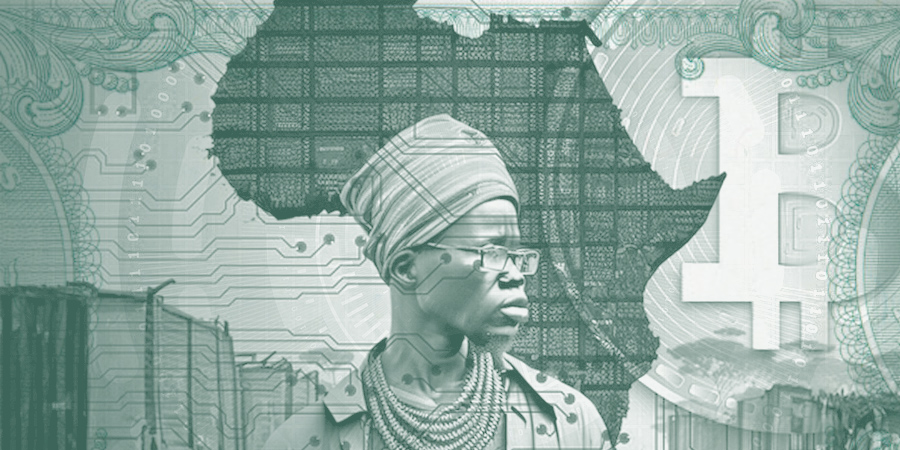
The 21st century narrative of Africa is undergoing a profound and deliberate rewrite. Moving far beyond outdated stereotypes, the continent is now at the heart of a monumental technological revolution, fundamentally powered by an unprecedented boom in its digital infrastructure. This surge is not merely about improved internet speeds; it represents a comprehensive rewiring of the continent’s economic, social, and entrepreneurial fabric. We are witnessing the rapid deployment of a digital nervous system encompassing terrestrial and subsea fiber optics, hyperscale data centers, mobile broadband towers, and satellite networks that is unlocking latent potential, fostering innovation at a grassroots level, and positioning Africa as the next frontier for global digital growth. This deep dive explores the multifaceted drivers, key components, transformative impacts, and future challenges of this infrastructural renaissance that is setting the stage for a truly connected Africa.
The Foundational Drivers of the Connectivity Explosion
The digital infrastructure boom across Africa is not a random occurrence. It is the result of a powerful convergence of market demand, strategic investment, and technological necessity, creating a perfect storm for accelerated growth.
A. Unprecedented Demographic and Market Demand
Africa boasts the world’s youngest and fastest-growing population, with over 60% under the age of 25. This demographic is inherently tech-savvy, mobile-first, and increasingly urbanized. Their demand for digital services from social media and streaming to online education and e-commerce creates an insatiable appetite for reliable, high-speed connectivity. Furthermore, the rapid formalization of small and medium-sized enterprises (SMEs) necessitates digital tools for operations, marketing, and sales, driving demand for business-grade internet and cloud services.
B. Strategic Investment and Public-Private Partnerships (PPPs)
The scale of infrastructure required demands colossal capital. This need is being met through innovative funding models. Major global tech giants like Google, Meta, Microsoft, and Amazon are making landmark investments, not as charity, but as strategic bets on Africa’s digital future. Simultaneously, African governments, recognizing digital infrastructure as critical as roads or ports, are actively fostering PPPs. They are implementing regulatory reforms, offering tax incentives, and facilitating right-of-way access to attract private capital. Development finance institutions like the World Bank and AfDB are also pivotal, providing concessional loans and guarantees to de-risk projects and attract commercial investors.
C. Leapfrogging Legacy Systems
Unlike more developed regions burdened with outdated copper-wire landline networks, many African nations possess the advantage of a “greenfield” scenario. This allows them to leapfrog directly to cutting-edge technologies. The primary example is the bypassing of fixed-line banking for mobile money (e.g., M-Pesa), which revolutionized financial inclusion. Similarly, in connectivity, the focus is on deploying high-capacity fiber and 4G/5G wireless networks directly, avoiding the costly and slow process of upgrading obsolete systems. Satellite technology, particularly from Low Earth Orbit (LEO) constellations like Starlink, is now complementing this by providing immediate, high-speed coverage in remote and underserved regions where terrestrial build-out is economically or geographically challenging.
Deconstructing the Pillars of the Digital Build-Out
The “digital infrastructure” boom is a symphony of interconnected components, each playing a critical role in creating a resilient and scalable digital ecosystem.
A. The Subsea Cable Lifelines: Africa’s Gateway to the Global Internet
The continent’s connectivity to the worldwide web hinges on subsea fiber-optic cables. The past decade has seen a dramatic shift from Africa being poorly connected to becoming a strategically linked hub. New cables like Google’s Equiano, running from Portugal to South Africa, 2Africa (a consortium-led project that will be one of the world’s largest), and SEA-ME-WE 5 are landing on African shores with exponentially greater capacity than their predecessors. These cables are the foundational data pipelines, reducing latency, slashing international bandwidth costs by over 90% in some coastal nations, and providing the raw bandwidth necessary for future technologies.
B. Terrestrial Fiber: The Inland Data Highways
While subsea cables land at the coast, terrestrial fiber networks are the critical inland highways that distribute this connectivity to cities, towns, and hinterlands. Pan-African operators like Liquid Intelligent Technologies and MTN are aggressively expanding national and cross-border fiber grids. These networks connect landlocked countries to submarine cable landing stations, create redundancy to prevent national blackouts, and form the backbone for national broadband strategies. The “last-mile” challenge—connecting individual homes and businesses—is being addressed through a mix of fiber-to-the-home (FTTH) rollouts in urban areas and innovative fixed-wireless access solutions.
C. The Data Center Revolution: Keeping Data Local and Secure
Perhaps the most significant recent development is the explosion of data center construction. For years, African data was primarily hosted in Europe or North America, leading to high latency, data sovereignty concerns, and compliance complexities. Today, hyperscale operators are building directly on the continent. Microsoft has launched cloud regions in South Africa and is expanding in North Africa. Amazon Web Services (AWS) has invested in infrastructure regions in Cape Town and Johannesburg. Liquid, Teraco (Africa’s largest vendor-neutral provider, now part of Digital Realty), and Rack Centre in Nigeria are building state-of-the-art, carrier-neutral facilities. These data centers localize data storage and processing, enabling faster app performance, empowering local SaaS companies, and allowing governments and businesses to comply with increasingly stringent data protection laws.
D. Mobile Networks and the 5G Horizon
Mobile phones remain the primary internet access point for most Africans. Operators have invested billions in expanding 4G/LTE coverage, which now reaches a significant portion of the population. The next frontier is 5G, which is being rolled out selectively in major metropolitan areas and industrial hubs. While widespread consumer 5G may be years away, its immediate impact is felt in enterprise applications: enabling smart factories, improving telemedicine with real-time data, and powering the Internet of Things (IoT) for smart agriculture and logistics. The expansion of mobile network infrastructure, including towers and small cells, remains a continuous and critical effort.
The Transformative Impact Across Sectors and Society
The proliferation of this digital backbone is not an end in itself; its true value lies in the catalytic effects it unleashes across every sector of African society.
A. Economic Diversification and the Rise of the Digital Economy
A robust digital infrastructure directly contributes to GDP growth. It enables entirely new economic sectors and transforms traditional ones. The tech startup ecosystem is flourishing, with fintech, healthtech, edtech, and agritech innovators solving local problems and attracting record venture capital. E-commerce platforms like Jumia and Takealot are growing, supported by improved logistics and digital payment systems. For traditional industries, cloud computing and IoT allow for optimized supply chains, predictive maintenance in mining, and precision farming, driving productivity and global competitiveness.
B. Revolutionizing Financial Inclusion through Fintech
Africa is the undisputed global leader in mobile money, a direct result of widespread mobile network coverage. Services like M-Pesa (Kenya), MTN MoMo (West Africa), and others have brought formal financial services to hundreds of millions of unbanked adults. The infrastructure boom takes this further. Reliable internet facilitates the rise of digital banks, micro-insurance platforms, and investment apps. It enables seamless API integrations that allow businesses to embed financial services into their own offerings, creating a deeply integrated digital financial ecosystem.
C. Transforming Healthcare and Education Delivery
Digital infrastructure is a great equalizer for public services. In healthcare, telemedicine platforms connect patients in rural villages with specialists in cities. Cloud-based health information systems improve patient record management, while IoT devices enable remote patient monitoring. In education, high-speed internet in schools and universities enables digital learning platforms, access to global online resources, and virtual classrooms. This became critically evident during the COVID-19 pandemic, where the digital divide was starkly highlighted, accelerating infrastructure investments in the sector.
D. Enhancing Governance and Civic Engagement
Governments are leveraging digital infrastructure to improve service delivery and transparency. E-government platforms allow citizens to apply for documents, pay taxes, and access public information online, reducing bureaucracy and opportunities for corruption. Digital ID systems, built on secure infrastructure, are crucial for inclusion and efficient service provision. Furthermore, robust internet access empowers civil society, enables independent journalism, and provides citizens with platforms to hold leaders accountable.
Navigating the Persistent Challenges and Road Ahead
Despite the remarkable progress, significant hurdles remain on the path to a fully digitally inclusive Africa. Addressing these is critical for sustaining the boom.
A. The Digital Divide: Urban-Rural and Gender Gaps
The benefits of the infrastructure boom are still unevenly distributed. Dense urban centers attract the lion’s share of investment, while rural and peri-urban areas often lack quality access. This deepens socioeconomic disparities. Furthermore, a persistent gender gap exists, with women having less access to digital devices, data, and digital skills due to cultural and economic barriers. Targeted policies, subsidies for rural network expansion, and digital literacy programs focused on women and girls are essential.
B. Affordability and the Cost of Data
While the cost of providing data has plummeted due to new cables, the retail price of data remains a barrier for many. Smartphone affordability is another issue. Governments and regulators must foster competitive markets to keep prices low and consider innovative models like community networks and public Wi-Fi initiatives.
C. Cybersecurity and Data Privacy
As digital adoption soars, so does the attack surface for cyber threats. Many nations lack comprehensive cybersecurity laws, institutional capacity, and public awareness. The localization of data in new data centers also raises the stakes, requiring robust physical and cyber security measures. Developing a continent-wide framework for data protection and cybersecurity is an urgent priority.
D. Power Reliability and Environmental Sustainability
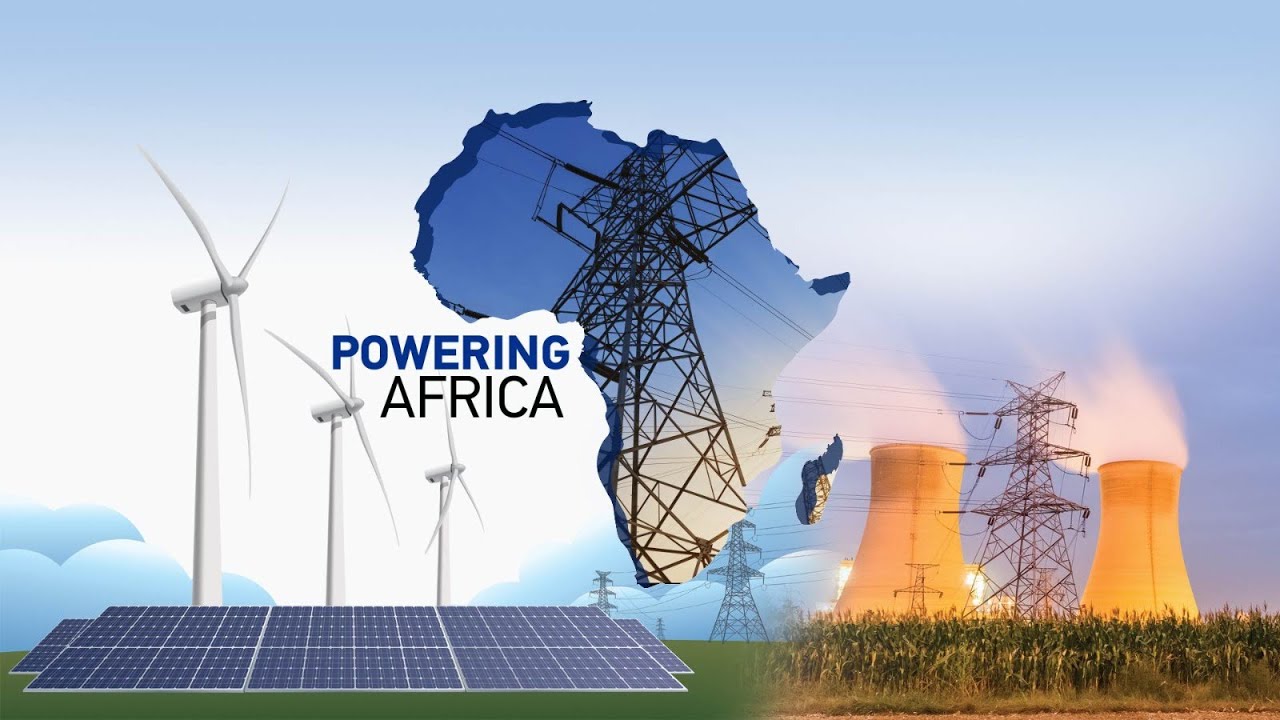
Digital infrastructure is power-hungry. Data centers, network towers, and exchanges require uninterrupted electricity. Africa’s chronic power instability forces operators to rely heavily on diesel generators, increasing costs and carbon footprints. The future lies in integrating renewable energy sources solar, wind, and hydropower directly into digital infrastructure projects, creating a sustainable and resilient model.
E. Skills Development and Human Capital
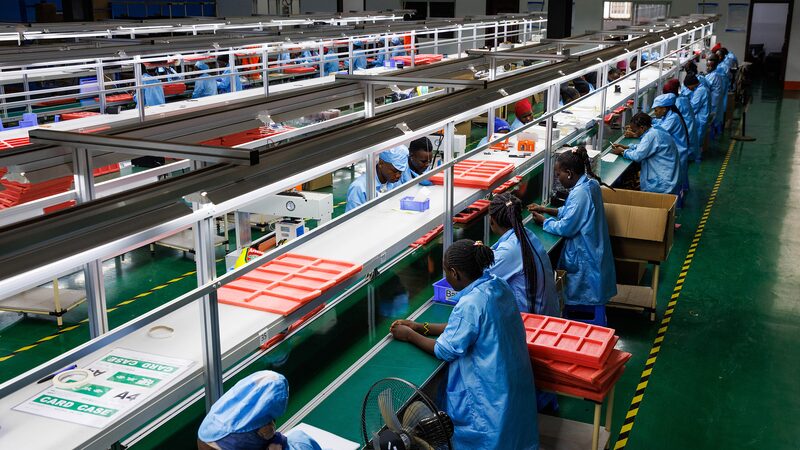
Building infrastructure is one thing; maintaining and maximizing it requires a skilled workforce. There is a pressing need for more engineers, data scientists, cybersecurity experts, and software developers. Investments in STEM education, vocational training, and upskilling programs are non-negotiable to ensure Africans are not just consumers but architects of their digital destiny.
Conclusion: A Continent Forging Its Own Digital Destiny
Africa’s digital infrastructure boom is a story of agency, innovation, and strategic foresight. It is a collaborative endeavor involving global capital, local entrepreneurial grit, and forward-thinking policy. The laying of fiber, the building of data centers, and the erection of mobile towers are more than construction projects; they are the foundational acts of building a new, inclusive, and dynamic digital economy. While challenges of access, affordability, and skills remain substantial, the trajectory is unmistakably positive. This infrastructural surge is empowering millions, birthing globally competitive companies, and enabling African nations to participate in the global digital economy on their own terms. The narrative has irrevocably shifted: Africa is no longer a passive recipient of technology but an active, powerful, and essential architect of the digital future, with its infrastructure boom serving as the undeniable proof of this transformative era.